
Spellcasting
What is magic?
Magic comes from the word Magus, an Old Persian word which evolved and changed with other Middle Eastern languages – Chaldean (ancient Babylonia), Aramaic (ancient Israel) and Syrian.
All iterations of the word mean one who works with magic, or uses magic, to change things and to see things. Here we’re going to be focused on the workings in magic that seek to change.
In the early years of Christianity, magic first began to be regarded as something associated with demons and darkness, and therefore sacrilegious and suspect. In the Middle Ages, Christian religious leaders began to categorize various forms of magic (enchantment, incantations, divination, astrology) and to root these practices out among their flocks, kicking off what is known as the Burning Times.
We’ll talk more about the persecution, imprisonment, torture and murder of magic practitioners in later blog installments. But the Burning Times drove magic underground. It was particularly hidden during the Plague Years – people were deeply suspicious of anything that they believed contributed to the sickness and death around them. Quite literally the townspeople with pitchforks and burning torches came after anyone they suspected as dabbling in the ‘dark arts’ as they called them. But the Renaissance that followed the Plagues brought magic into the light with renewed interest and with only relatively brief pockets of time in which it went back underground, has continued with ever evolving and expanding communities.
There is still persecution and mistrust even here in the Western World of all things magical, mystical, occult. That’s why it’s so important to bring light to these topics wherever we may.
There are many different schools of magic. There is white magic, black magic, and even grey magic. There is high magic and low magic. To talk about spellcasting, we’re going to discuss a few of these categories.
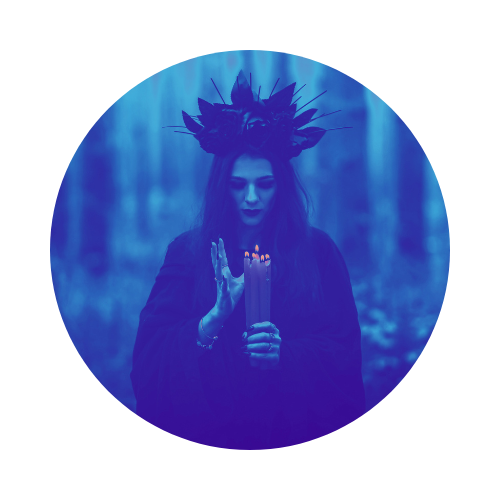
What items do you use in spells?
A general list of magic types include:
• Divination: the attempt to gain insight into a question or situation through an occult process or ritual.
• Alchemy: a philosophical theory based on the idea of perfection and purification. Alchemy has been used for thousands of years to create medicines and the transmutation of base material into gold or silver. More importantly, refers to the alchemical refinement of the self in which we become wiser, more intuitive and more powerful, thereby more precious.
• Hermeticism: a religious, philosophical, and magical tradition based primarily upon texts attributed to Hermes Trismegistus. According to Hermetic teachings, the universe was created by God as a perfect sphere. Humans share in the divine nature of “Logos”, which is the universal reason.
• The Paranormal: often associated with paranormal phenomena such as ESP, telekinesis and remote viewing. Poltergeists and hauntings are also often linked to magic.
• Witchcraft: Witchcraft or Wicca is a new religious movement created in the early 20th century in England by an English civil servant named Gerald Gardner. It is based upon the esoteric practices of early modern Europe.
• Voodoo: a religious practice developed in the Caribbean from African spiritual traditions.
• Brujeria: A Mexican or Central American type of witchcraft or black magic usually used for harmful purposes, often to cast spells against one’s enemies. Brujeria can include curses and physical objects, as well as offering sacrifices to the Devil.
• Hoodoo: folk magic traditionally practised by African Americans and some European Americans. It also contains elements of Native American magical practices from their culture before forced migration to North America.
• Sorcery: Spells, curses and hexes are all part of this form of magic that is mainly practised with malicious intent. A sorcerer usually refers to someone who has acquired supernatural powers by study or from an evil spirit.
• Chaos Magic: A modern form of magic in which the magician or magician’s assistant attempts to manifest a physical result through an altered state of consciousness.


• Spiritual Healing: In this type of magic, the healer uses positive energy, but sometimes negative energy can be used for healing. However, a healer must have a strong will and be able to protect themselves from any attacks by the person they are helping.
This is but a small list of the types of magic in which spells may be used. Now, lets chat about the types of spells used:
Spells of Protection
• Banishing
• Binding
• Freezing
• Spiritual Protection (involves a plea with the Divine Source, archangels, ancestors, or spirit guides)
Spells of Attraction:
• Love
• Wealth and Success
• Good Luck
Spells of Healing:
• Forgiveness
• Improved Health
Spells of Harm:
• Curses and Hexes
• Spells of Enchantment (I consider enchantment harmful because I view it as forcing someone to change their mind about something, although other practitioners view it as more about faery magic and the like)
In other words, whatever your intention is can be directed into a spell.
How does a spell work? It works based on a number of factors including faith, focus, refined intuition and vision, and particular tools – mostly natural ones such as herbs and crystals and essences.
Most of what you see in Hollywood movies about magic is pretty false. Wands aren’t magic and people cannot physically disappear. People won’t fall in love without reason, and bags of money don’t just drop into your lap.
The first thing anyone must do before they even think about creating a spell is to be clear on what they want. Do you want to be more prosperous? Do you want to be healthier? Do you wish to keep your enemies away? Do you want your luck to improve? You have to be super clear about what you want in order to create or use a spell to serve you.
The second thing – which is even more important – is that you must create your spells using the credo which is essentially “Lest it harm none.” This means that whatever you do must not be with the intention to harm someone because I promise you, that energy will wind up directed right back at yourself. Remember the adage, “As above, so below?” Yeah, I would also say, “as without, so within” meaning that you expose yourself to our own dark magic when you attempt to use it to harm others. That is why I do not encourage the use of curses and hexes, particularly for new practitioners. There are times when we must hex someone who has great power and abuses it but let’s leave that to the experienced magicians who know how to safely and accurately direct that energy so that it only binds the intended, and protects the innocent.
The three most common spells are for love, for wealth, and for binding.
A love spell is what it sounds like – kind of. This too can go sideways if you don’t know what you are doing, which frankly speaking most people who attempt this don’t. You cannot make someone love you who does not, and even if you could it too will end very badly.
A love spell is more about protecting that which you love, not asking something miraculous and impossible to happen between two people. It honors and sanctifies love that already exists, perhaps in a new state or a fragile one, and encourages it to grow, to flourish or to mend. Love is about acceptance, forgiveness, trust, and joy – so you would infuse elements of these emotions into any love spell you might cast. The colors red, pink and white are most associated with Love, so the use of candles, crystals, charms, and flowers in those colors might be very inspired and helpful.
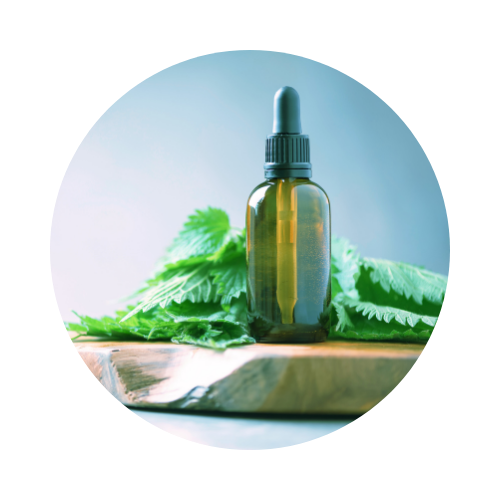
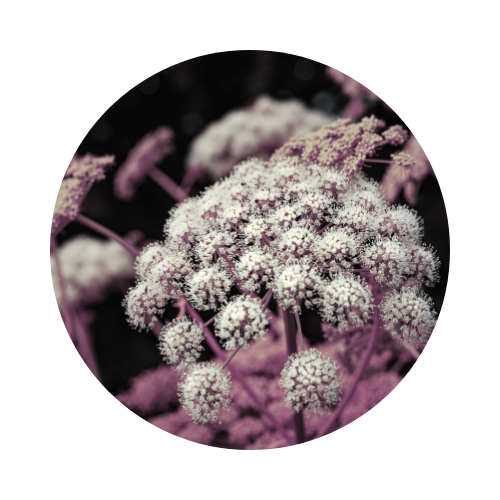

Let’s say that you want to reconcile with a loved one. My version of a love spell involves an open window (inviting a return), roses (red for romantic love, pink for friendship, white for family), a white candle, rose quartz, and a photograph of the person you wish to reconcile. Ask yourself: what needs to happen for reconciliation to be possible? Do you need to forgive them? Do they need to forgive you?
There are many versions of the words that might be said in connection with a love spell. For this one, I would say, “Forgive me, XXX, for the wrongs that separated us as I forgive you. I invite the opportunity to resolve our conflict and reconcile our love. I open my window, and I open my heart, to restoring what we had together and growing our connection, only if it is in both of our best interests.” Many practitioners will then end by saying, “So mote it be” – meaning that we accept whatever the universe decides. We will honor the outcome, even if it is not what we hoped for.
Money spells should also be done with pure intention -not just to amass wealth and fortune, but to honor it and use it wisely. The color green is most associated with wealth, fortune and abundance but so too are reflective items such as mirrors, metals, and certain crystals (like pyrite). It helps to use actual money in some wealth-building spells – I find coins to more effective than paper bills but it’s up to the individual. Use green or white or black candles (in the black being an expression of course that means you are free of debt) with any money spell.
I don’t do money spells, but I do success spells on behalf of my clients each Saturday night. I clear and clean my desk, power down my computer, light a candle and do some smudging, and I’ll usually lay out a couple of crystals that speak to me in the moment – pyrite or hematite, or perhaps malachite which is a powerful green stone.
A spell is really just a prayer that has been ritualized. So you could say anything you might say in a prayer. For a money spell, I might say something like “Let me be abundant with my earnings, wise with my investments, and generous with my heart and my wealth. So mote it be.”
Every spell can be personalized based on your intention, the tools available, and the practice of magic you choose to align yourself with.
Binding spells are particularly helpful when you feel that others are working against you. A binding spell does not seek to harm the people you consider your enemies – only to stop them from harming you.
Like all forms of magic, you will continue to learn and grow and expand your understanding of what spells are and why you might use them, along with which ones work best for you. I don’t do a lot of spells in my practice, but I have studied quite a bit of what is called Green Witchcraft, which uses herbs and plant medicines for various workings. The book The Green Witch by Arin Murphy-Hiscock is one that I really enjoyed and gave great examples of being in tune with the natural world and utilizing its resources for the highest good.
Be sure to subscribe to our email newsletter for links to more blogs, discounts on services, and more magic - plus follow us at Facebook and Instagram.
Dive into your daily magic or journaling - without having to look anything up!
Discover the energies of each day of October 2026 including numerology, associated chakras, Sun, Moon and other astrological energies, recommended crystals, and a Tarot prompt for each day. This is the perfect companion piece for anyone who journals either for magic or for meditation. Only available until October 22, 2026 when the November Grimoire Companion launches.