
The Hanged Man Hangs Between Worlds
Perspective, Suspension, and the Wisdom of Seeing Differently
When The Hanged Man appears, the stage pauses in the most peculiar way. The action halts, the music fades, and the audience suddenly realizes the central figure is… upside down. Suspended from a single point, calm and strangely illuminated, he does not struggle against the rope that holds him. Instead, he gazes outward with serene curiosity, as though the world finally makes sense from this impossible angle.
The Hanged Man is one of the most misunderstood characters in the Tarot’s grand play. At first glance, his situation appears dire—immobile, vulnerable, caught between movement and stillness. But look closer. His expression is peaceful. A radiant halo glows around his head, suggesting not defeat, but enlightenment. The rope suspending him is not strangling him; it is supporting him. This is not punishment. This is transformation through perspective.
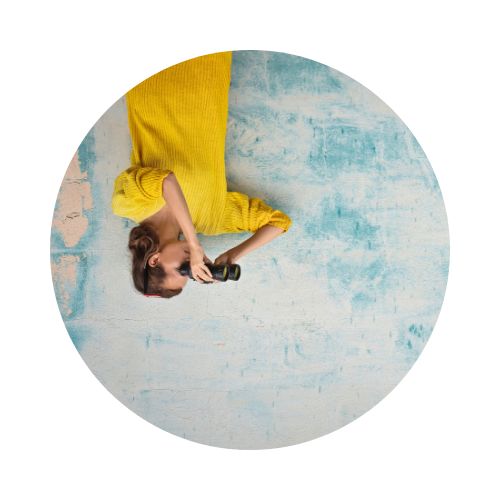
In theatrical terms, The Hanged Man governs the moment when the story pauses to reveal an entirely new way of seeing. The audience expected the hero to fight or escape, yet instead he hangs there quietly, observing the world from a reversed vantage point. What once seemed obvious now appears distorted. What once seemed impossible suddenly reveals hidden pathways.
In a Tarot reading, The Hanged Man often signals a period of suspension where forward motion slows or temporarily stops. Plans may stall, circumstances may require patience, or life may gently—or forcefully—invite the querent to reconsider how they are approaching a situation. Yet the gift of this card is profound: when we stop pushing forward long enough to see differently, new understanding emerges.
This card often appears when someone is asked to release control, expectations, or rigid thinking. Relationships may need to be viewed through empathy rather than judgment. A frustrating delay may reveal itself as protection or preparation. The Hanged Man teaches that insight rarely arrives while we are rushing ahead—it arrives when we allow ourselves to hang in the unknown long enough to truly observe.


There is something almost mythic—and even a little modern—about this figure. In a playful sense, one might imagine him as a kind of mystical vigilante, not unlike Batman surveying Gotham from above, suspended upside down from a rooftop ledge as bats naturally do. From that elevated and inverted vantage point, he sees what others cannot: patterns in the darkness, movements in the shadows, truths invisible to those rushing through the streets below. Perspective becomes his greatest power.
Theatrically, this is the scene where the hero gains the insight necessary for the next act. Nothing outwardly dramatic may happen, but internally everything shifts. In life, The Hanged Man often appears during moments of introspection, spiritual awakening, therapy, meditation, or creative incubation. It can mark the time when someone realizes that the answer was never about forcing change—it was about seeing the situation through new eyes.
Of course, suspension has its shadow. When challenged, The Hanged Man may point to stagnation, martyrdom, or staying suspended long after the lesson has been learned. The key is not to remain hanging forever, but to absorb the wisdom gained from the vantage point.
As the scene slowly fades, The Hanged Man still hangs peacefully, watching the world from his unusual perch. When he appears in a reading, he invites the querent to pause and embrace the strange gift of reversal. Sometimes the greatest clarity comes when life turns us upside down and asks us to look again. From that unexpected angle, the truth that once seemed hidden becomes brilliantly clear.
Dive into your daily magic or journaling - without having to look anything up!
Discover the energies of each day of October 2026 including numerology, associated chakras, Sun, Moon and other astrological energies, recommended crystals, and a Tarot prompt for each day. This is the perfect companion piece for anyone who journals either for magic or for meditation. Only available until October 22, 2026 when the November Grimoire Companion launches.