
Temperance Blends the Elements: Harmony, Flow, and the Art of Sacred Balance
When Temperance enters the stage, the energy shifts once again—not with the force of Death’s transformation, but with a quiet, flowing grace. A figure stands with one foot on land and one foot in water, pouring liquid from one cup into another in an endless, gentle exchange. Nothing spills. Nothing rushes. The entire scene feels like a deep breath after a storm. Temperance does not arrive to end the story or push it forward dramatically. She arrives to restore balance so the journey can continue.
As a character, Temperance is the alchemist of the Tarot’s grand play. She is not the fiery creator like The Magician nor the stern ruler like The Emperor. She is the one who understands that life is not about extremes, but about integration. Fire must be cooled, water must be warmed, air must be grounded, and earth must be softened. She stands between opposites and teaches them how to coexist.
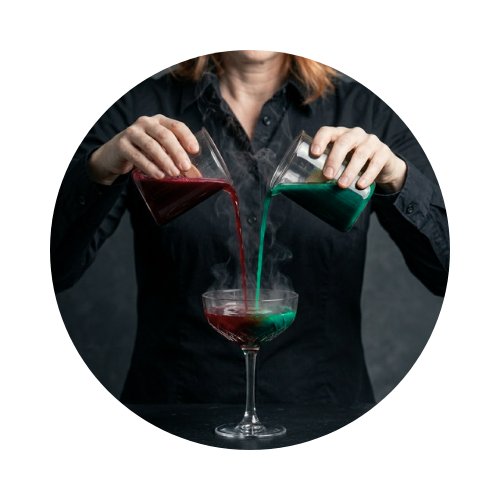
In theatrical terms, Temperance governs the scene after the great turning point, when the hero must learn how to live differently now that everything has changed. The battle has been fought, the ending has occurred, the transformation has begun—but now comes the harder part: learning how to move forward in a new way. Temperance is not dramatic, but she is essential. Without her, the story would burn out or collapse under its own intensity.
In a Tarot reading, Temperance signals a time of healing, moderation, and careful adjustment. Events governed by this card often involve recovery, reconciliation, blending different areas of life, or finding a sustainable rhythm after a period of upheaval. This may look like learning work-life balance, repairing a relationship, improving health habits gradually, or integrating spiritual insight into everyday life. Temperance reminds us that lasting change rarely happens through extremes—it happens through consistency and balance.


Elementally, Temperance is often associated with the blending of Fire and Water—passion and emotion, action and intuition. She represents the steam that rises when these forces meet in harmony rather than conflict. She teaches emotional regulation, patience, and the art of not reacting too quickly. Her magic is subtle but powerful: she turns chaos into flow.
Theatrically, she is the quiet scene where two characters finally understand each other, where wounds are cleaned and bandaged, where music replaces noise. The audience may not gasp or cry during this scene, but without it, the story would feel incomplete and unresolved. Temperance provides continuity, sustainability, and peace after transformation.
Of course, Temperance also carries a shadow. When challenged, this card may indicate imbalance, excess, impatience, or trying to force harmony where honesty is needed first. It can point to burnout from living in extremes—working too much, loving too intensely without boundaries, or swinging between discipline and indulgence. Temperance reminds us that life is not meant to be lived at full intensity every moment. Even the strongest fire must be tended carefully or it will consume everything around it.
As the scene fades, Temperance continues pouring water between the cups, endlessly, patiently. When she appears in a reading, she invites the querent to slow down, breathe, and find the middle path. She teaches that true mastery is not found in control or surrender alone, but in knowing when to do each. The story continues not through force, but through balance—and in that balance, life begins to flow again.
Dive into your daily magic or journaling - without having to look anything up!
Discover the energies of each day of October 2026 including numerology, associated chakras, Sun, Moon and other astrological energies, recommended crystals, and a Tarot prompt for each day. This is the perfect companion piece for anyone who journals either for magic or for meditation. Only available until October 22, 2026 when the November Grimoire Companion launches.