
The Emperor Commands The Throne
Order, Authority, and the Architecture of Power
When The Emperor enters, the stage takes shape. Walls rise. Lines sharpen. What was once lush and flowing now gains structure and form. The warmth of The Empress’s garden gives way to stone, iron, and elevation. This is not a loss of life, but its containment. The Emperor does not decorate the world—he builds it.
As a character, The Emperor is the ruler who sits above the chaos and insists on order. He is the architect of systems, the general who understands that survival requires discipline, and the father who believes protection comes through control. His throne is carved from rock, his gaze steady and unyielding. He does not ask whether authority exists; he assumes it must, and then claims responsibility for wielding it.
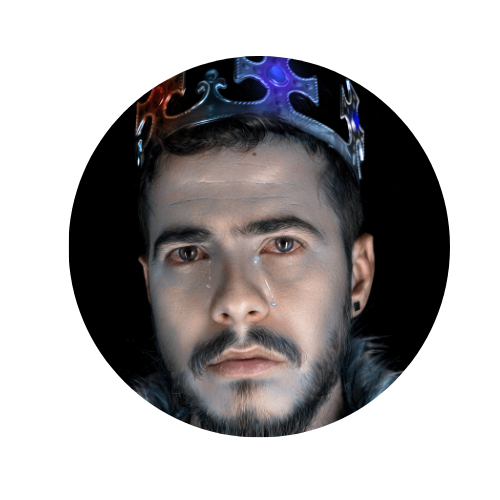
In a Tarot reading, The Emperor signals a moment when structure is required. Events under his influence involve leadership, boundaries, law, and long-term stability. This may show up as stepping into a position of authority, establishing rules where there were none, or taking responsibility for outcomes that can no longer be left to chance. The Emperor often appears when a person must stop negotiating with uncertainty and make a firm decision.
Theatrically, he governs the act where the stakes become real. This is the scene where treaties are signed, borders drawn, and consequences enforced. In life, this card can point to dealings with institutions—governments, corporations, courts—or with father figures and patriarchal dynamics. It may reflect the need to define roles within relationships or to assert sovereignty over one’s own time, energy, and resources.


Yet The Emperor’s power carries inherent tension. Order can calcify into rigidity. Authority can harden into domination. In readings, a challenged Emperor may indicate control issues, authoritarian behavior, or fear of vulnerability masquerading as strength. He may appear when someone is clinging to a role or rule that once offered safety but now restricts growth. The question becomes: is this structure serving life, or suffocating it?
Still, without The Emperor, the journey collapses into chaos. He is the necessary counterbalance to The Empress’s abundance—the frame that allows creation to endure. He teaches that boundaries are not punishments; they are agreements with reality. To build something that lasts, one must be willing to define, defend, and maintain it.
As the scene closes, The Emperor remains seated, unmoved by applause or dissent. His work is not emotional; it is enduring. When he appears in a reading, he calls the querent to step into mature authority—over their choices, their commitments, and their consequences. The world, he reminds us, does not hold itself together by hope alone. Someone must take the throne, accept the weight of power, and rule wisely.
Donec id justo non metus auctor commodo ut quis enim. Mauris fringilla dolor vel condimentum imperdiet.