
The Tarot Renaissance: How 20th-Century Mystics Brought the Cards Back to Life
As the 20th century began, tarot was poised for another transformation. Thanks to the groundwork laid by French occultists and the Golden Dawn, tarot was no longer simply a fortune-telling tool or a secret society’s private code. It was ready to evolve into something modern, accessible, and relevant for a new world. That transformation happened through the work of a small but brilliant circle of mystics, artists, and thinkers who saw tarot’s future — and made it real.
Waite and Smith: A New Kind of Deck
Arthur Edward Waite, a member of the Golden Dawn, believed tarot needed a visual language that would be clear to the average person, not just trained initiates. In 1909, he commissioned Pamela Colman Smith, a talented artist and fellow mystic, to illustrate a new deck. Together they created the Rider-Waite-Smith tarot, the most influential and widely used deck to this day. Smith’s artwork made each card a vivid story, packed with symbolism that spoke directly to intuition. Waite’s structure, rooted in Golden Dawn teachings, ensured the deck remained a true spiritual tool. This collaboration showed that tarot could be deeply esoteric and still beautifully accessible.
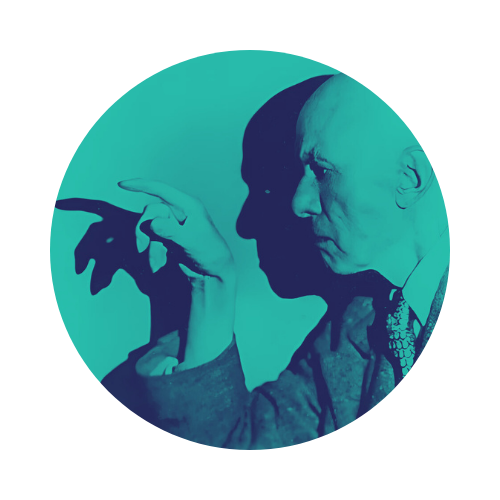
Aleister Crowley is one of the most controversial figures in modern occult magic but he did uncover some of the most deeply esoteric understandings of Tarot
Crowley and the Thoth Deck
Not long after, another Golden Dawn initiate — the infamous Aleister Crowley — wanted to push tarot even further. Collaborating with artist Lady Frieda Harris, he designed the Thoth Tarot, a deck of breathtaking detail and magical precision. Completed in the 1940s, but published later, the Thoth deck offered an even more complex vision, combining astrology, Qabalah, mythology, and Crowley’s own Thelemic philosophy. Though more challenging to master, the Thoth deck inspired countless modern readers and advanced tarot students who were hungry for depth. Crowley’s unapologetically powerful imagery gave tarot a new sense of mystery and intellectual challenge.
Modern Tarot Comes Alive
These 20th-century innovators sparked a renaissance. Their vision opened the floodgates for thousands of artists, writers, and mystics to develop their own tarot decks. Today, there are tarot designs for every culture, belief system, and artistic taste. From psychological approaches to trauma-informed readings to astrology-infused layouts, tarot has become a language that can adapt to almost any question or soul. That explosion of creativity would not have been possible without those early 20th-century trailblazers who believed tarot could speak to everyone.
What part of your own journey might come back to life if you saw it through fresh, creative eyes?

A personal reading with Divinely Designed will include Tarot or Oracle Cards, astrology forecasts, and other intuitive services. Each reading will vary by client and may include individual recommendations.
The Rider-Waite-Smith and Thoth decks are more than historical artifacts; they are living bridges between the mysticism of the past and the curiosity of the present. They remind us that spiritual tools grow as we grow, and that art and symbol can be reborn with each new generation. The next time you shuffle a deck, remember how many hands — and hearts — carried tarot forward so you could hold it today. That is the true power of a renaissance: the courage to look at something familiar, and dream it into something extraordinary.