
The High Priestess Waits in the Wings
Silence, Mystery, and the Unseen Script
If The Magician commands the stage, The High Priestess does not appear there at all—at least not at first. She waits in the shadows between scenes, seated at the threshold no spotlight can fully reach. When she finally emerges, the noise quiets. The audience senses that something sacred is about to be revealed, or perhaps more unsettling still, withheld. This is not a character who performs. She knows.
As a theatrical figure, The High Priestess is the keeper of the hidden script. She sits between two pillars—one dark, one light—marking the boundary between what is spoken and what must remain unsaid. Her costume is layered, veiled, moonlit. Nothing about her is rushed or reactive. She does not chase the plot; the plot bends toward her in its own time. Where The Fool leaps and The Magician asserts, The High Priestess listens.
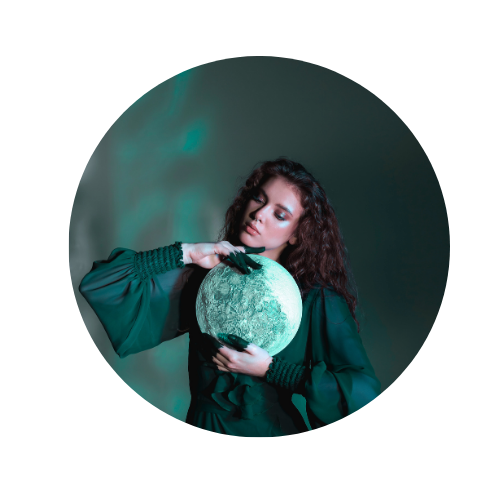
In a Tarot reading, her appearance signals a pause in external action and a deepening of inner awareness. Events governed by this card are subtle, often invisible to outsiders. This may be a period of quiet knowing, intuitive downloads, or truths surfacing through dreams, symbols, and synchronicities. The High Priestess often appears when a person already has the answer they seek—but has not yet trusted themselves enough to admit it.
Theatrically, she represents the pregnant silence before a revelation. The moment the orchestra stops and the audience holds its breath. In life, this card can indicate secrets, mysteries, or information not yet meant to be shared. It may point to private relationships, spiritual study, psychic sensitivity, or inner initiation. When The High Priestess governs events, patience is not optional. Forcing the next scene will only obscure the meaning of the current one.


Unlike The Magician, who works with tools, The High Priestess works with thresholds. Her power lies in discernment. In readings, she often asks the querent to pull back from external validation and turn inward. This can be uncomfortable, especially in a world that rewards noise and certainty. Yet her message is clear: not all knowledge is meant to be acted upon immediately, and not all truths want to be spoken aloud.
There is also tension in her role. When reversed or ill-aspected, The High Priestess can signal blocked intuition, ignored inner warnings, or secrets that fester in the dark. She may point to self-betrayal—knowing something is wrong but choosing not to look. In such cases, the card becomes an admonition: silence is powerful, but avoidance is not wisdom.
As the scene fades, The High Priestess remains seated, unflinching. She does not chase applause. She does not explain herself. Her presence alone changes the tone of the play. When she appears in a reading, she invites the querent backstage—into the liminal space where the real story is written before it is ever spoken. Some doors, she reminds us, do not open with force or cleverness. They open only when the listener is finally still enough to hear.
Quisque iaculis facilisis lacinia. Mauris euismod pellentesque tellus sit amet mollis.